Sustainable Solutions: How E-Waste Recycling Services Are Saving Our Planet
E-waste poses significant threats to the environment, as disposed electronics frequently harbor hazardous substances. These hazardous substances can contaminate soil and water, resulting in widespread environmental harm. Electronic waste recycling programs offer an effective remedy. They successfully retrieve useful resources while simultaneously minimizing environmental pollution. Gaining insight into how these programs function and affect local communities is critical. Pursuing efficient e-waste management brings forth pressing questions regarding individual duties and shared responsibility. What measures can be pursued from this point onward?
Why E-Waste Poses a Threat to the Planet
Although technological advancements improve modern life, e-waste poses significant environmental threats. Disposed electronic equipment, often containing dangerous compounds like cadmium, lead, and mercury, can leach toxins into the surrounding soil and water supply, posing risks to both wildlife and human well-being. The swift progression of technology results in increased consumer turnover of electronics, exacerbating the accumulation of e-waste.
Landfills, already strained by waste, are unable to keep up with the rising quantities of abandoned electronics. Incineration, another disposal method, releases harmful pollutants into the atmosphere, contributing to air quality degradation. Furthermore, inadequate recycling methods can result in the shipment of electronic waste to underdeveloped nations, where workers may break down equipment without proper protective measures, putting themselves at risk of exposure to hazardous materials. This pattern of negligence and mismanagement highlights the critical demand for eco-friendly recycling alternatives that can reduce the damaging impact of electronic waste on the environment.
What Is E-Waste and Why Is It Important?
E-waste, also referred to as electronic waste, encompasses unwanted electronic equipment like computers, smartphones, and televisions that have exceeded their operational lifespan. This growing category of waste is significant because of its swift buildup, propelled by advances in technology See details and evolving consumer behaviors. As growing numbers of electronics become outdated, the environmental impact intensifies, with dangerous elements including lead, mercury, and cadmium threatening both ecosystems and public health.
Addressing e-waste is crucial not only for reducing these dangers but also for acknowledging the precious materials found within it. Precious metals and rare earth elements can be recovered and reused, reducing the need for mining and conserving natural resources. By understanding e-waste and its implications, individuals and organizations can make informed decisions about disposal and recycling, ultimately contributing to a more sustainable future. Effective handling of e-waste is vital for encouraging a circular economy and advancing environmental responsibility.
How E-Waste Recycling Works
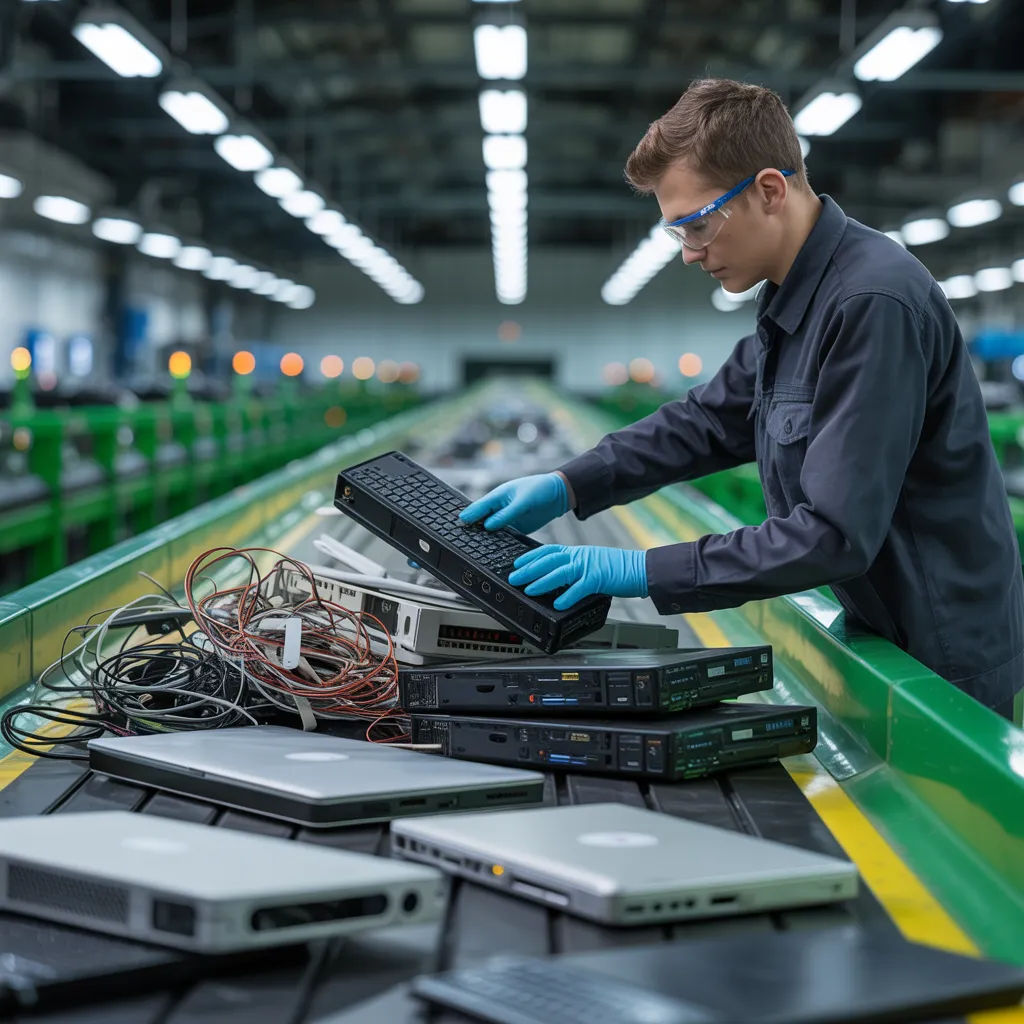
Recycling e-waste involves a structured approach designed to recover valuable materials while minimizing environmental impact. Initially, discarded electronics are retrieved and sent to dedicated processing centers. Upon arrival, the electronics are carefully categorized to separate hazardous components from recyclable materials.
After this step, workers take apart the products, recovering plastics, metals, and glass. This stage is crucial, as it facilitates the recovery of rare metals like gold, silver, and copper, which can be reused in new electronic devices.
Following this, the isolated materials are treated with state-of-the-art techniques, such as mechanical shredding and chemical processing, to purify them for repurposing.
Ultimately, the remaining dangerous materials are managed properly, following environmental guidelines. This systematic method not only saves important resources but also reduces the dangers associated with improper e-waste disposal, guaranteeing a greener future for electronic consumption.
The Benefits of E-Waste Recycling for You and Your Community
Although it often goes unnoticed, the advantages of e-waste recycling reach well past personal use to meaningfully influence entire communities. By properly recycling electronic waste, individuals play a role in creating a cleaner environment, minimizing hazardous materials that can contaminate soil and water. This responsible method works to protect local ecosystems and supports public health.
Moreover, e-waste recycling promotes employment opportunities within local communities. Community recycling operations commonly require workers for numerous tasks, from collection to processing, thereby providing employment opportunities within the community. This not only stimulates the local economy but also promotes community participation in sustainable initiatives.
In addition, familiarity with e-waste recycling may result in community outreach programs, equipping residents to make environmentally conscious decisions. By taking part in e-waste recycling programs, individuals foster a culture of sustainability, motivating others to join the movement. Ultimately, the cumulative impact of these actions can create a more sustainable and conscientious community.
How to Select an E-Waste Recycling Service
Picking the most suitable electronic waste recycling provider is crucial for guaranteeing that electronic refuse is processed responsibly and sustainably. First, people should verify the provider's credentials, such as e-Stewards or R2, which indicate compliance with established benchmarks for secure waste disposal procedures. It's also important to assess the company's credibility by reviewing feedback and seeking referrals from reliable sources.
Furthermore, openness in the recycling process is crucial. A trustworthy provider should offer detailed insights about the manner in which e-waste is managed and what happens to the materials. Moreover, considering the scope of services provided can prove valuable; various firms may supply retrieval services or extend benefits for recycling.
Ultimately, being aware of local guidelines related to e-waste disposal may further shape the decision-making process. By taking these elements into account, individuals can contribute to efficient electronic waste handling while supporting sustainable environmental efforts.
Ways You Can Participate in E-Waste Recycling?
Engaging in e-waste recycling may begin at the local level, where community recycling hubs often provide essential services for proper disposal. Furthermore, participating in community awareness campaigns can amplify efforts to educate others about the importance of ethical e-waste practices. Such efforts not only encourage sustainable practices but also cultivate a collective sense of accountability for the environment.
Nearby Recycling Facilities
Several local recycling centers play an essential role in electronic waste recycling, offering communities convenient opportunities to dispose of electronic waste responsibly. These hubs welcome a selection of digital devices, including outdated computers, mobile phones, and TVs, making certain that hazardous materials are managed safely. Many hubs feature qualified professionals who support individuals in understanding proper disposal practices, underscoring the benefits of recycling compared to landfilling. In addition, various hubs coordinate organized drop-off opportunities or appointed collection periods, making it easy for residents to participate. By engaging with these local facilities, residents support a circular economy, lowering environmental harm and encouraging sustainable habits. Working alongside these hubs enables communities to combat e-waste pollution successfully.
Community Outreach Campaigns
Community groups, educational institutions, and companies can work together to organize events that support e-waste collection drives. Volunteers can play a pivotal role in promoting knowledge, handing out educational content, and interacting with the surrounding community. By means of these joint initiatives, community members grow more knowledgeable and inspired to dispose of their electronics responsibly, ultimately contributing to a more sustainable future.
Common Questions and Answers
What Electronic Devices Are Eligible for Recycling?
Many different electronics may be recycled, including laptops, televisions, smartphones, printers, computers, and gaming consoles. Furthermore, ancillary devices such as keyboards, mice, and batteries are well-suited for recycling, promoting environmental conservation efforts.
Do Any Costs Come With E-Waste Recycling?
Yes, e-waste recycling can include charges, based on the facility. Certain providers impose charges for collection or processing, while other facilities make services available at no charge, frequently supported by the proceeds from salvaged materials.
How Do Businesses Gain From E-Waste Recycling?
Companies can take advantage of e-waste recycling by lowering disposal expenses, enhancing their environmental image, meeting compliance standards, extracting valuable resources, and potentially generating revenue through resale, ultimately contributing to a more sustainable operational strategy.
What Happens to Data on Recycled Devices?
Data from recycled electronics is often completely removed or obliterated during processing. This guarantees private details remains secure, preventing unauthorized access while permitting components to be recycled carefully and ethically in new products.
Is It Possible to Recycle Damaged Electronics?
Absolutely, defective electronics can be recycled. A wide range of centers receive damaged devices, guaranteeing proper disposal and recovery of precious materials. Doing so helps minimize harm to the environment while promoting responsible recycling practices to handle electrical waste responsibly.