Green Initiatives: How E-Waste Recycling Services Are Protecting Our Planet
E-waste poses significant threats to the environment, as discarded electronics often contain toxic materials. These hazardous substances can contaminate soil and water, leading to broader ecological damage. E-waste recycling services present a viable solution. They successfully retrieve useful resources while simultaneously minimizing environmental pollution. Comprehending the operation of these services and their influence on communities is of great importance. The journey towards effective e-waste management raises critical questions about individual responsibility and collective action. What measures can be pursued from this point onward?
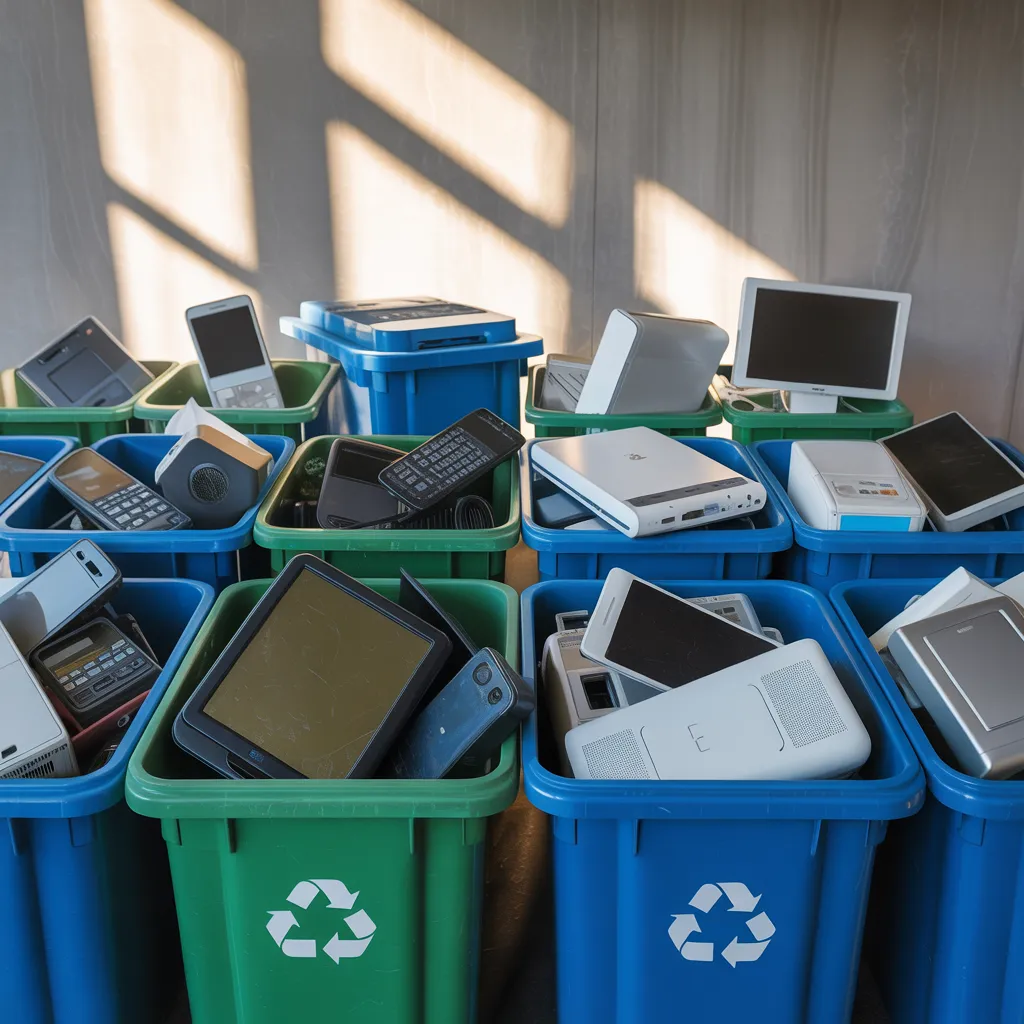
Why E-Waste Poses a Threat to the Planet
While technological advancements improve contemporary living, e-waste poses serious threats to the environment. Disposed electronic equipment, often containing hazardous materials such as cadmium, lead, and mercury, are capable of seeping pollutants into the surrounding soil and water supply, posing risks to human health and ecosystems. The swift progression of technology leads to higher rates of electronics disposal among consumers, exacerbating the accumulation of e-waste.
Landfills, already overwhelmed with refuse, find it difficult to handle the increasing amounts of discarded devices. Incineration, another disposal method, releases harmful pollutants into the atmosphere, contributing to air quality degradation. Furthermore, inadequate recycling methods can result in the shipment of electronic waste to underdeveloped nations, where workers may break down equipment without proper protective measures, putting themselves at risk of exposure to hazardous materials. This cycle of neglect and improper handling underscores the urgent need for sustainable recycling solutions that can mitigate the adverse effects of e-waste on the planet.
What Is E-Waste and Its Importance?
E-waste, or electronic waste, encompasses obsolete electronic products such as televisions, computers, and smartphones that have reached the end of their useful life. This growing category of waste is significant due to its rapid accumulation, driven by technological advancements and consumer trends. As growing numbers of electronics become outdated, the environmental impact intensifies, with toxic materials such as lead, mercury, and cadmium posing risks to ecosystems and human health.
Addressing e-waste is crucial not only for reducing these dangers but also for acknowledging the precious materials found within it. Critical metals and rare earth components can be reclaimed and recycled, decreasing the reliance on mining and protecting natural resources. With a thorough understanding of e-waste and its impact, people and organizations alike can make educated decisions about disposal and recycling, helping to build a more sustainable world. Proper management of e-waste is essential for fostering a circular economy and promoting environmental stewardship.
How E-Waste Recycling Works
E-waste recycling entails an organized procedure designed to recover valuable materials while reducing harm to the environment. To begin, e-waste is collected and transported to purpose-built recycling plants. After reaching the facility, the electronics are carefully categorized to separate hazardous components from recyclable materials.
Following this, employees dismantle the products, extracting glass, metals, and plastics. This stage is crucial, as it facilitates the extraction of valuable metals like copper, gold, and silver, which are repurposed in new electronic devices.
Next, the divided materials are processed with cutting-edge techniques, such as shredding and specialized chemical treatments, to refine them for repurposing.
Ultimately, the leftover hazardous materials are disposed of responsibly, complying with environmental regulations. This multi-step approach not only conserves resources but also minimizes the hazards connected to irresponsible electronic waste disposal, ensuring a more sustainable future for electronic consumption.
Benefits of E-Waste Recycling for You and Your Community
Although it often goes unnoticed, the positive effects of e-waste recycling extend beyond personal convenience to positively impact entire communities. By responsibly disposing of electronic waste, individuals help foster a Check it out healthier environment, minimizing hazardous materials that can seep into soil and water. This proactive approach works to protect local ecosystems and promotes public health.
In addition, electronic waste recycling supports employment opportunities within local communities. Nearby recycling establishments regularly need employees for diverse activities, covering everything from collection to processing, thereby providing employment opportunities for community members. This not only stimulates the local economy but also promotes community participation in sustainable initiatives.
In addition, awareness of e-waste recycling can lead to awareness campaigns, enabling residents to make environmentally conscious decisions. By enrolling in e-waste recycling programs, individuals promote a culture of sustainability, encouraging others to embrace similar practices. In summary, the combined impact of these actions can lead to a more sustainable and conscientious community.
How to Choose an E-Waste Recycling Service
Selecting the right electronic waste recycling provider is essential for making sure that electronic refuse is handled with responsibility and sustainability. To begin, people should confirm the company's accreditations, such as R2 or e-Stewards, which signify adherence to industry standards for responsible recycling methods. It is equally important to examine the company's credibility by reading customer reviews and obtaining advice from dependable sources.
Moreover, transparency in the recycling process is vital. A reliable company should offer detailed insights about the manner in which e-waste is managed and how the materials are utilized. Additionally, assessing the variety of services available can be advantageous; various firms may supply retrieval services or extend benefits for recycling.
Finally, learning about local regulations regarding e-waste disposal can help inform the selection process. When these considerations are given priority, people are able to support responsible e-waste disposal while supporting eco-friendly habits.
Ways You Can Participate in E-Waste Recycling?
Getting involved with e-waste recycling can start at the local level, where recycling centers regularly supply essential services for responsible disposal. Additionally, taking part in community awareness campaigns can amplify efforts to educate others about the importance of ethical e-waste practices. Such efforts not only encourage sustainable practices but also cultivate a collective sense of stewardship of the environment.
Community Recycling Locations
Several neighborhood recycling stations fulfill a critical purpose in the recycling of e-waste, providing communities with accessible options to dispose of electronic waste responsibly. These stations receive a variety of electronic devices, including aging computers, cell phones, and television sets, ensuring that harmful materials are handled safely. Most stations have qualified professionals who support individuals in understanding proper disposal practices, stressing the significance of recycling instead of landfilling. Additionally, several stations organize scheduled drop-off occasions or specific collection dates, allowing residents to take part with ease. By utilizing these local services, residents support a circular economy, reducing environmental impact and promoting sustainable practices. Partnering with these facilities enables communities to combat e-waste pollution successfully.
Community Education Campaigns
Nearby organizations, schools, and enterprises can work together to organize events that support e-waste collection drives. Volunteers can play a pivotal role in spreading awareness, distributing educational materials, and engaging with the community. As a result of these combined actions, community members grow more knowledgeable and inspired to dispose of their electronics responsibly, thereby helping to build a greener and more sustainable tomorrow.
Answers to Your Most Common Questions
What Electronic Devices Are Eligible for Recycling?
Various electronics can be recycled, including computers, smartphones, televisions, laptops, gaming consoles, and printers. In addition, ancillary devices such as keyboards, mice, and batteries are well-suited for recycling, aiding in environmental conservation efforts.
Are There Fees Involved With E-Waste Recycling?
That's correct, e-waste recycling may involve charges, subject to the provider. Some service centers apply costs for pickup or handling, while some providers offer free services, often subsidized by the resale of recovered materials.
How Can Businesses Benefit From E-Waste Recycling?
Businesses can benefit from e-waste recycling by reducing disposal costs, improving their green reputation, meeting compliance standards, recovering valuable materials, and possibly earning income through resale, thereby fostering a more environmentally responsible business approach.
What Becomes of Data on Recycled Devices?
Data from refurbished equipment is often permanently erased or obliterated during the refurbishment process. This ensures confidential data remains secure, stopping improper access while enabling components to be recycled securely and sustainably across new manufacturing processes.
Can I Recycle Broken Electronics?
Indeed, damaged electronics may be recycled. Many centers receive damaged devices, guaranteeing proper disposal and recovery of useful materials. Doing so helps lower environmental impact while fostering eco-friendly recycling methods to control electrical waste effectively.